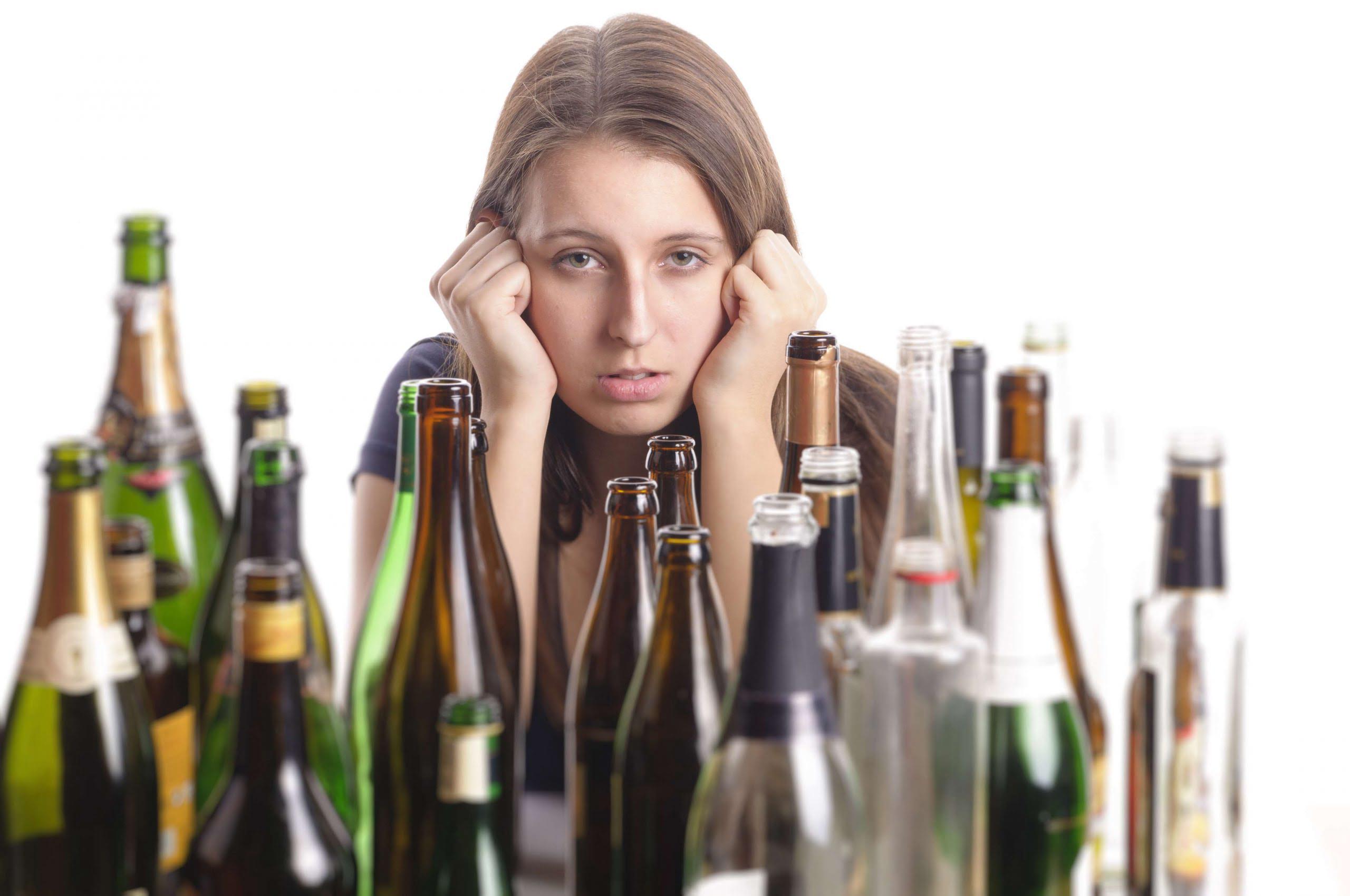
Too much evidence suggests consuming alcohol will only worsen your anxiety and put you at a higher risk for alcohol dependence. Hypersensitivity is when a person is so sensitive to changes in their body that they can’t help but notice and be affected by them. Every day most of us experience minor aches, pains, heart rhythm http://jocker.dn.ua/jenshiny-v-sovremennoi-rok-myzyke changes, and so on. Most people barely notice them, or pass them off as if they’re not important. Those with panic attacks are far more likely to notice them, and this may result in a flood of anxiety that can lead to a panic attack. You might avoid alcohol altogether if it worsens anxiety or depression symptoms.
Alcohol Use and Co-occurring Disorders
If a person experiences alcohol withdrawal symptoms, it can create a cycle of heightened anxiety and increased alcohol misuse. People with anxiety disorders may use alcohol as a coping mechanism, which could lead to alcohol use disorder (AUD). Similarly, those with AUD may have a higher risk of developing anxiety disorders. Alcohol withdrawal symptoms can be severe enough to interfere with your ability to stop drinking on your own. It is normal to be apprehensive about quitting drinking independently when you’ve struggled with anxiety or panic attacks in the past. The feelings that you experience during a panic attack can feel overwhelming.
- Alcohol might temporarily numb anxious thoughts and feelings, providing a sense of escape.
- Your brain and nervous system play key roles in how you perceive and handle fear and anxiety.
- There is a clear relationship between alcohol independence and mental health.
- Long-term heavy drinkers may be predisposed to developing an anxiety disorder.
Anxiety and Alcohol Use Disorders
- When we reach for alcohol in an effort to calm the symptoms of anxiety and panic, we can become trapped in a vicious cycle that may eventually lead to a physical or psychological addiction.
- Payment of benefits are subject to all terms, conditions, limitations, and exclusions of the member’s contract at time of service.
- This can explain the anxiety you can feel the morning after drinking alcohol.
- In other words, drinking alcohol may give you a temporary sense of relief, but in the long term it’s likely to worsen your anxiety and weaken your coping capacities.
Up to one third of people will experience at least one panic attack in their lives, according to clinical psychiatrist Cindy Aaronson. They usually start when people are in their twenties but can also happen to teenagers. Individuals experiencing anxiety might seek temporary relief through alcohol’s depressant effect, which can initially create feelings of relaxation and reduced inhibition. There are many ways to reduce the http://www.sms4love.ru/sms/sms-lyubimomu/zhurchat-lish-ruchi-i-zhizn.html intensity and frequency of anxious thoughts, as well as cope with anxious feelings when they do arise. Let’s break down the relationship between alcohol and anxiety, and discuss how to find relief from anxiety without drinking. When you drink alcohol your brain releases a burst of serotonin that can make you feel euphoric and confident, only to crash when you stop drinking and your serotonin levels are lowered dramatically.
Why You Feel Anxiety After Drinking (Hangxiety)
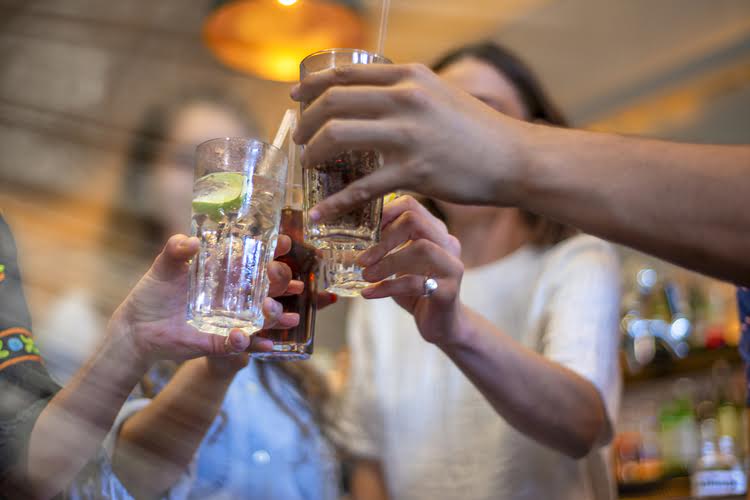
Once you’ve cut down your drinking (or stopped drinking altogether), keep going like this for a couple of weeks. Most people can expect to see an improvement in their anxiety symptoms in this time as the brain’s balance of chemicals and processes start to return to normal and you experience better quality sleep6. It’s a natural human response https://www.globalfashionexchange.org/explore-the-world-of-sustainable-fashion/ and usually passes once the situation is over – for example around a job interview. But if you have feelings of anxiety that are constant, overwhelming, or affect your daily life, there are things you can do, and support that is available to help you manage. At first, drinking can reduce fears and take your mind off of your troubles.
When is it time to seek professional help?
The Anxiety and Alcoholism Cycle